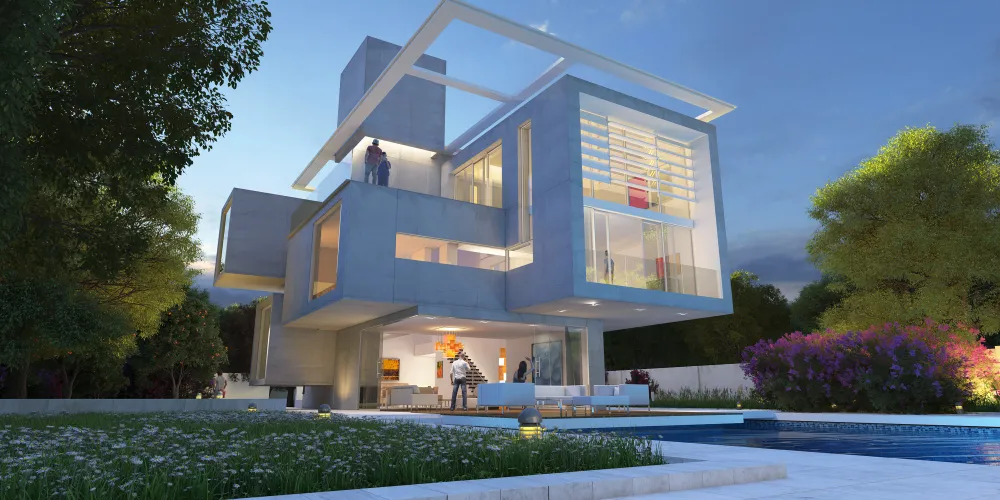
If you are planning to build or renovate, understanding these emerging trends can help you make smarter decisions and create a home that feels relevant for years to come.
1. Homes designed around real lifestyles
One of the most noticeable shifts is moving away from rigid layouts toward spaces designed for how families actually live. Formal rooms that are rarely used are being replaced with adaptable areas that serve multiple purposes throughout the day.
Living spaces now flow naturally into dining, working, and relaxation zones. Families want homes that support connection without sacrificing privacy. This is where architectural design services play a key role, translating daily routines into layouts that feel intuitive and comfortable rather than decorative only.
2. Sustainability becoming a standard, not a feature
Eco-conscious living is no longer a trend. It is an expectation. Future homes are designed to consume less energy, reduce waste, and adapt better to local climates.
This includes passive cooling strategies, better insulation, solar-ready rooftops, water-efficient landscaping, and materials chosen for longevity rather than appearance alone. Instead of adding sustainability later, modern design integrates it from the earliest stages. Homeowners increasingly rely on architectural design services and sustainable design engineering to balance environmental responsibility with beauty and comfort.
3. Strong indoor and outdoor connections
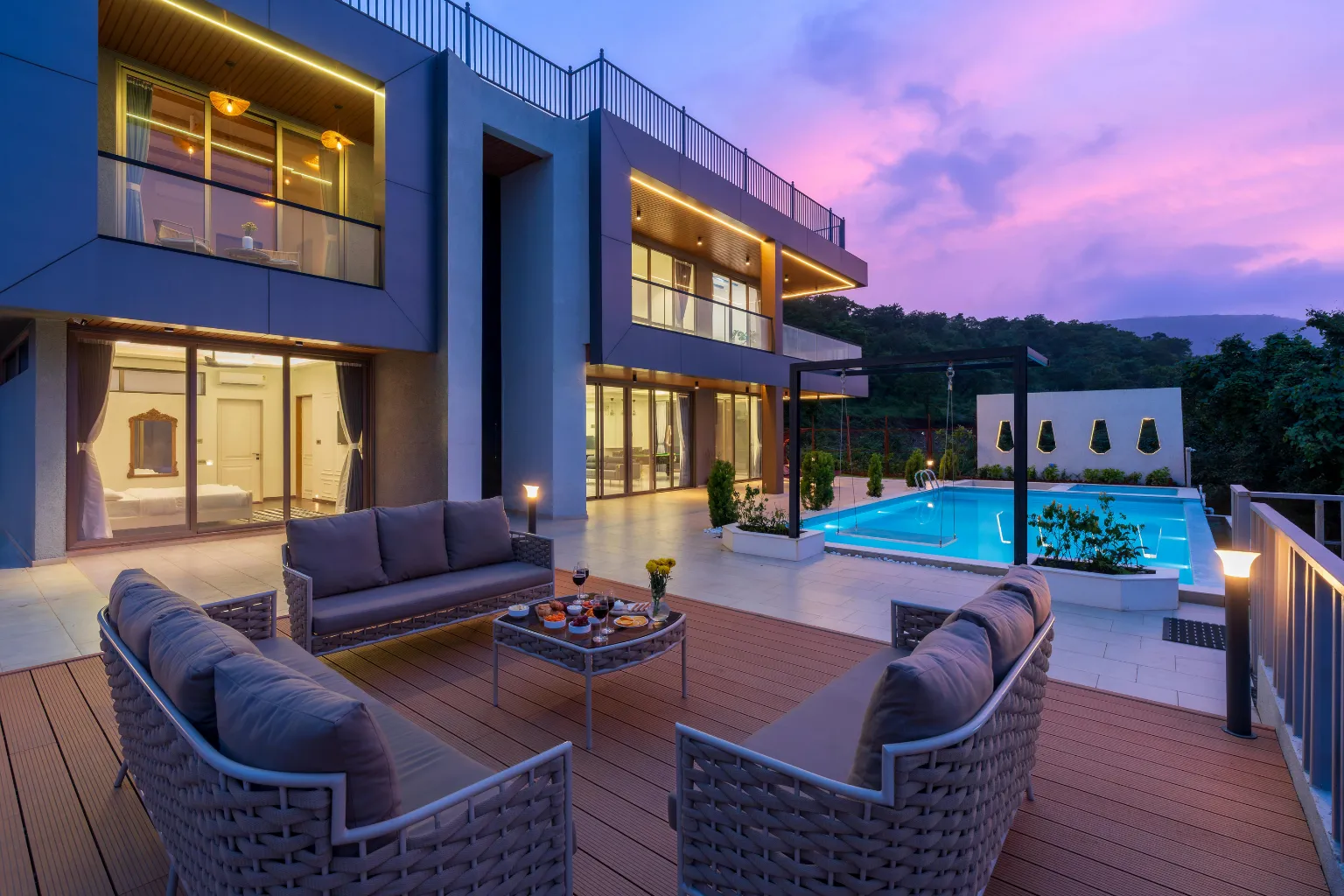
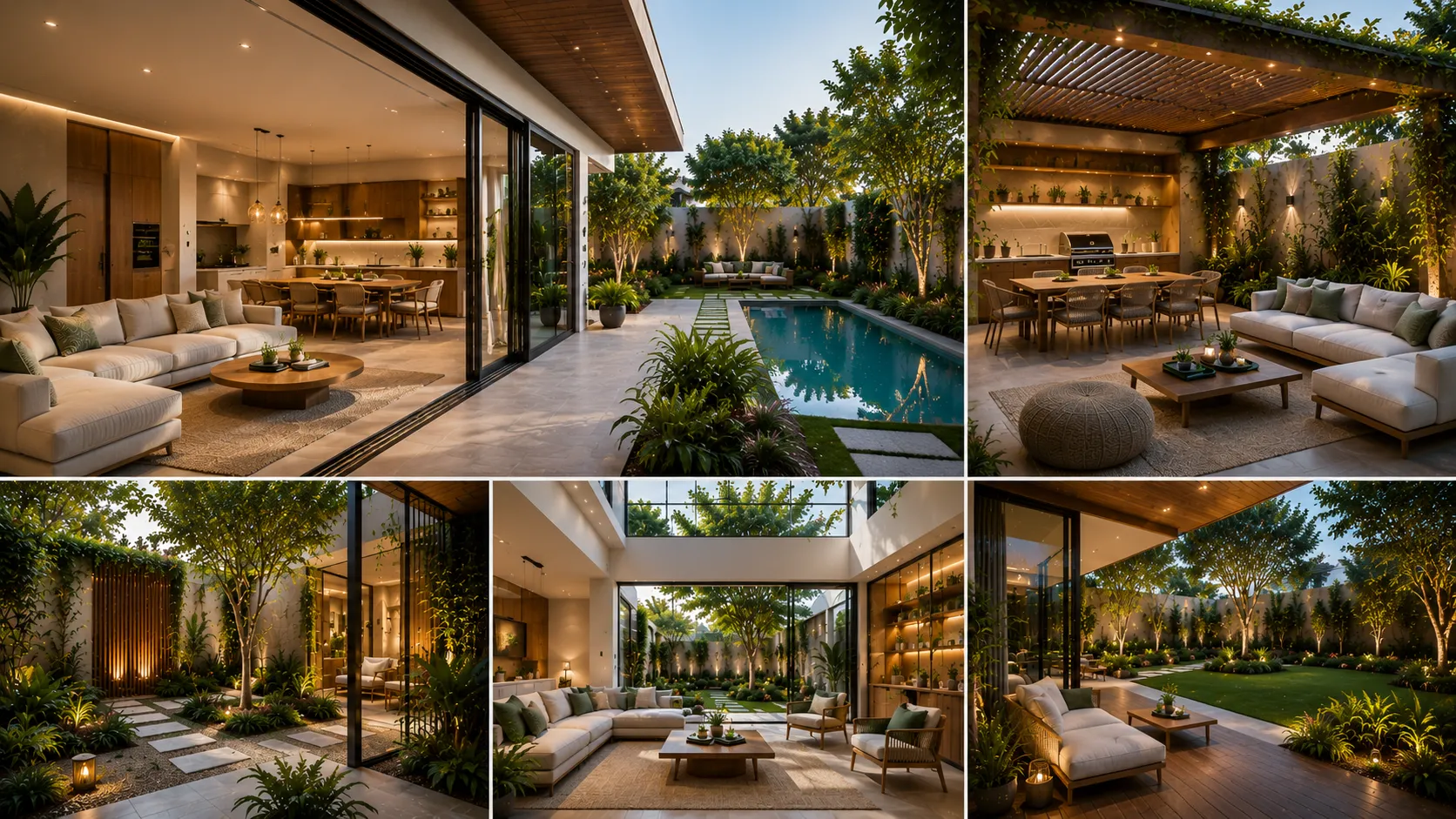
In warm regions especially, the boundary between inside and outside is disappearing. Courtyards, terraces, shaded gardens, and outdoor lounges are becoming essential parts of residential design.
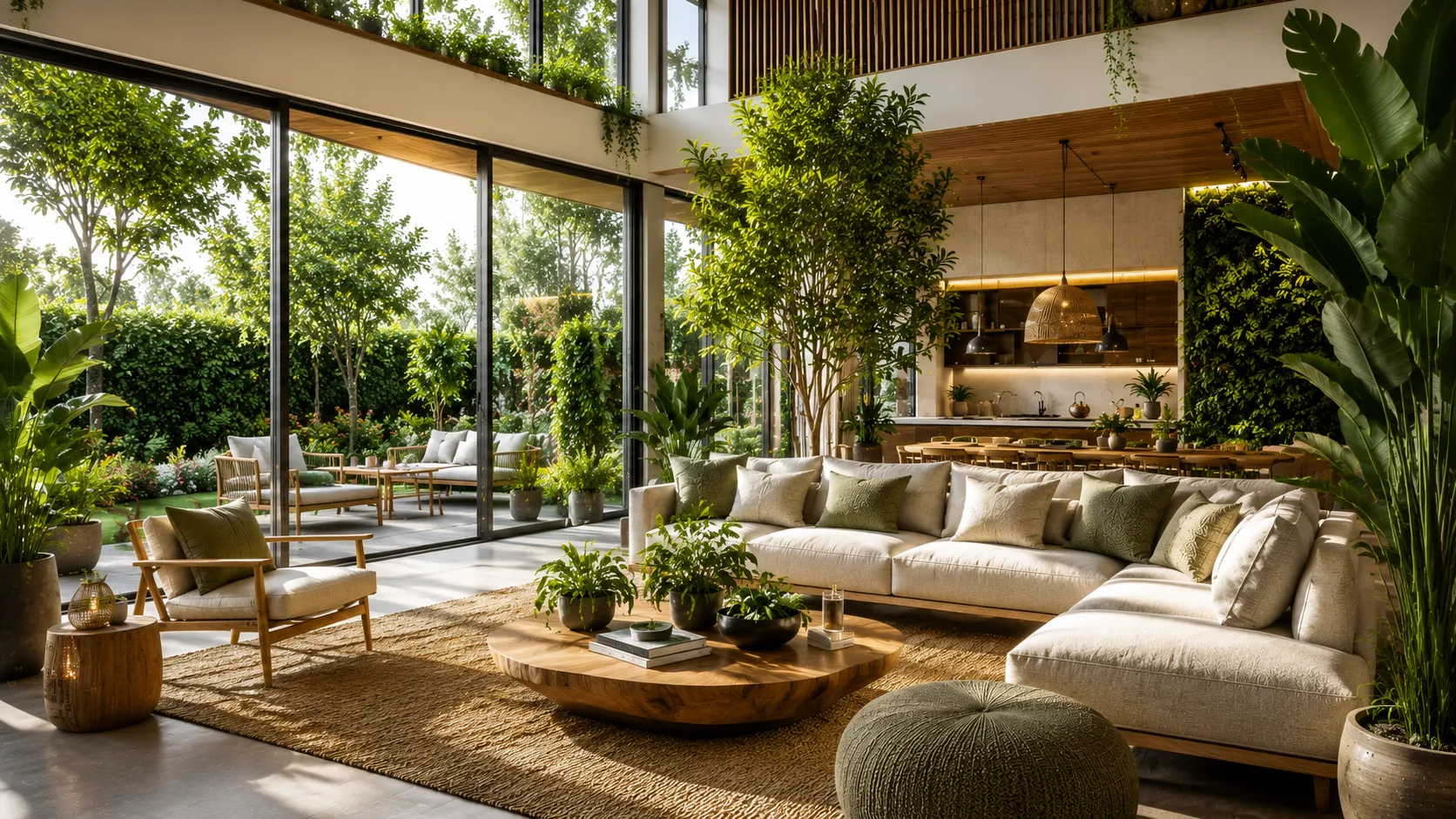
Large openings, natural ventilation, and visual connections to greenery improve both mental wellbeing and energy efficiency. Homes are being designed to breathe. These spaces are no longer treated as extras, but as core elements of daily living that support relaxation and family interaction.
4. Minimalist design with warmth and personality
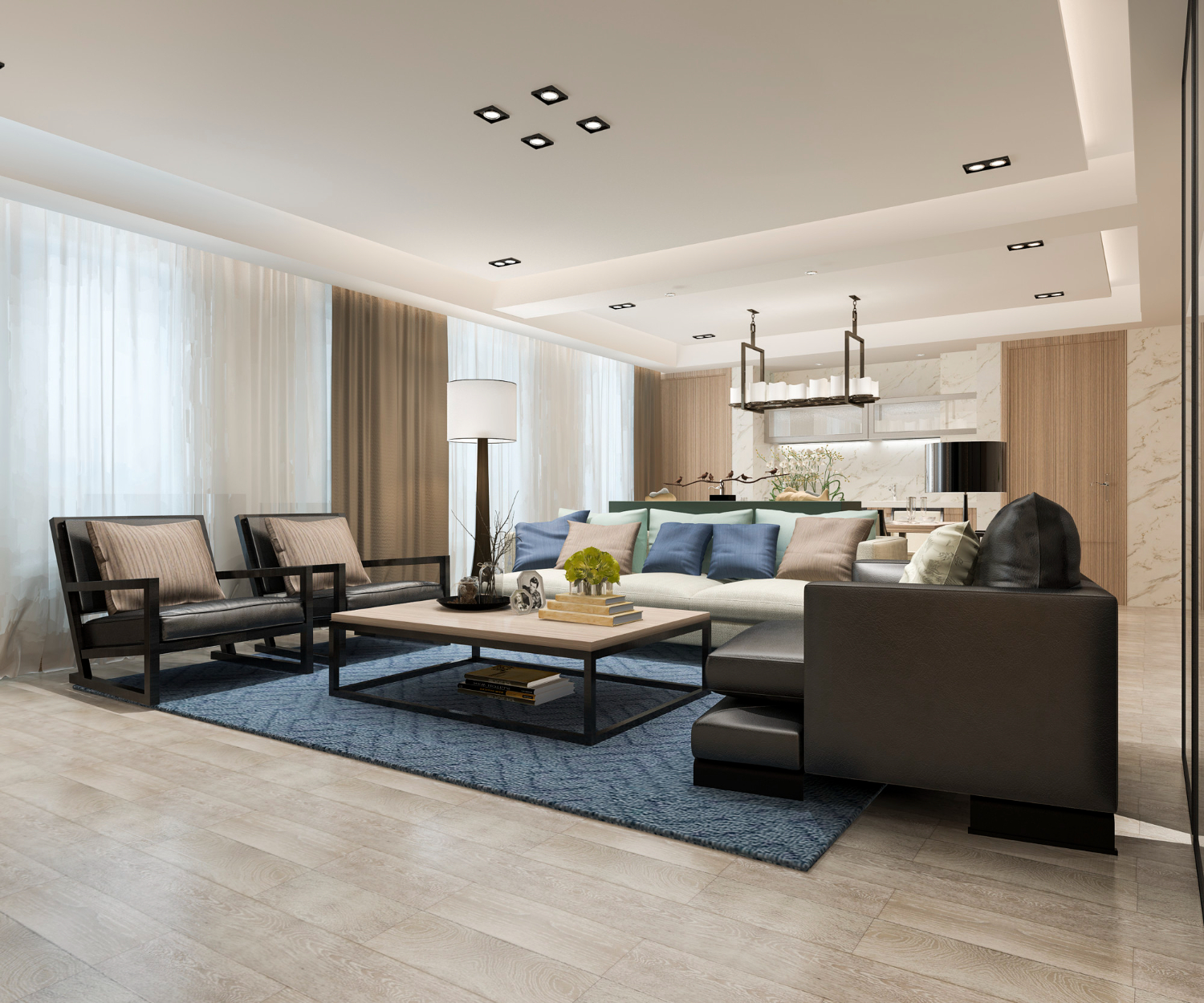
Minimalism is evolving. Instead of cold, stark spaces, future homes favor warmth, texture, and subtle character. Clean lines remain important, but they are softened with natural materials, layered lighting, and thoughtful proportions.
This trend focuses on calm environments that feel lived-in rather than showroom-like. Families want homes that are easy to maintain yet emotionally grounding. Thoughtful architectural design services help achieve this balance by combining simplicity with human-centered details often seen in luxury residential design.
5. Flexible spaces for changing needs
Homes are no longer static. Over time, families grow, routines shift, and priorities change. Design is now responding with flexible rooms that can evolve without major renovations.
A guest room today may become a home office tomorrow. A family lounge may later transform into a private retreat. Sliding partitions, adaptable layouts, and smart storage allow spaces to change function effortlessly. This flexibility ensures the home remains practical and valuable over the long term.
6. Technology integrated quietly into design
Smart home technology is becoming invisible. Rather than dominating the design, automation is being seamlessly integrated into lighting, climate control, security, and energy management.
The goal is not complexity, but simplicity. Technology should enhance comfort without overwhelming users. Future-focused architectural design services consider these systems early, including smart building technologies, to ensure they blend naturally into the architecture rather than appearing as afterthoughts.
7. Architecture that reflects identity
Personalization is one of the strongest trends shaping future homes. Families want designs that reflect their values, culture, and individuality rather than generic templates.
This includes unique façades, meaningful spatial arrangements, and subtle cultural references adapted in a modern way. Homes are becoming expressions of identity, not just structures. Skilled architectural design services guide homeowners in shaping a design that feels authentic and timeless.
Why these trends matter for homeowners
These trends are not about following fashion. They are about building homes that remain comfortable, efficient, and relevant as life evolves. A well-designed home supports wellbeing, retains value, and reduces future modification costs.
Understanding where residential architecture is heading allows homeowners to invest wisely and avoid designs that feel outdated too quickly.
About Firas Engineering Consultancy
Since 1996, Firas Engineering Consultancy has been helping families turn their visions into thoughtfully designed homes across the UAE. As one of the leading engineering consulting companies in the UAE, the firm has completed over 5,000 projects with a multidisciplinary team of experienced engineers and architects.
By aligning design with lifestyle, sustainability, and long-term value, Firas Engineering Consultancy delivers residential projects that are not only beautiful, but practical and enduring.